
Abdulla Nass Mosuqe
ABDULLA NASS MOSQUE
3D Modeling • Interaction Design • Unity
Abdulla Nass Mosque 3D Modeling
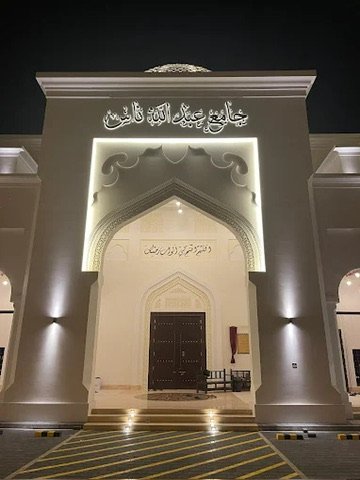
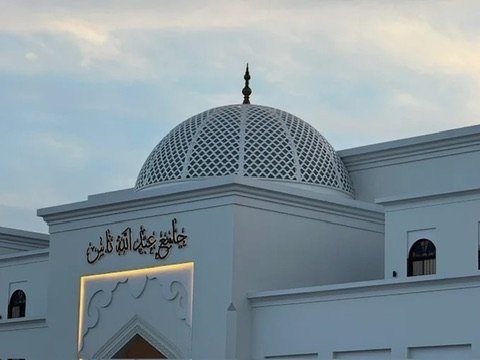
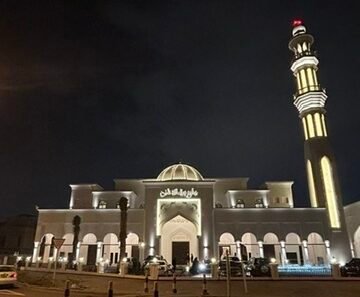
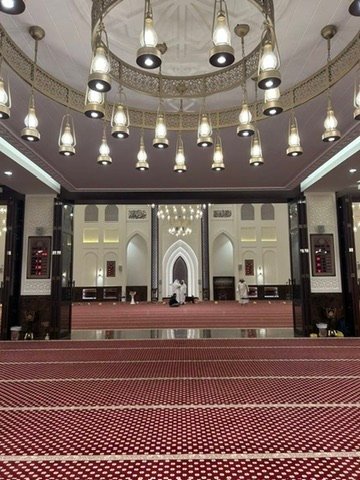
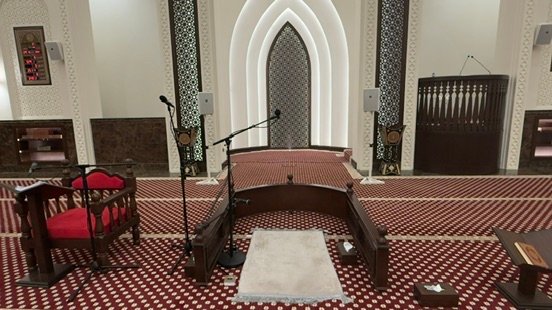
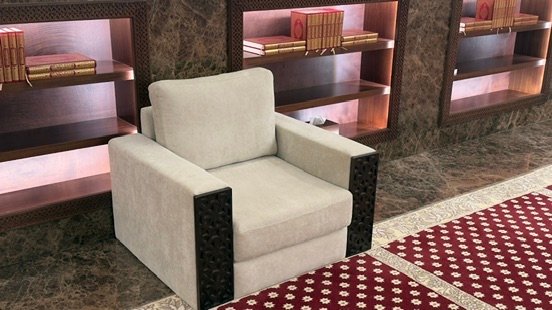
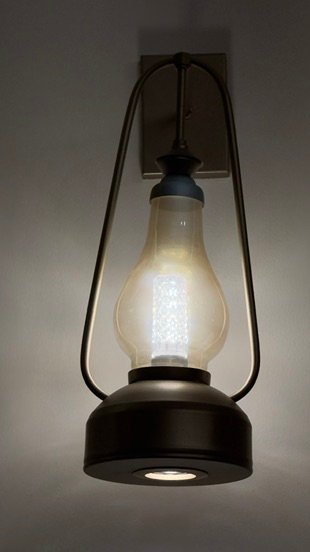
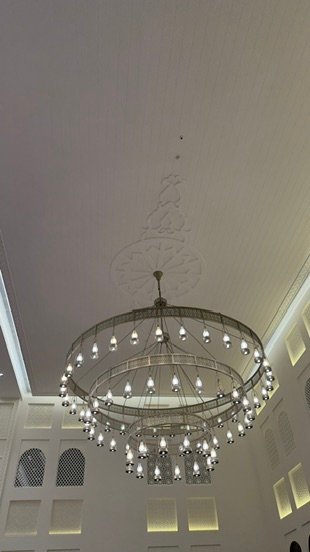
This university project involved creating a 3D interactive model of the Abdulla Nass Mosque in East Hidd. The focus was on capturing the mosque’s architectural aesthetics, both interior and exterior, while adding realistic user interactions. The model included traditional design elements, such as windows, lighting, and interior architecture, while allowing users to explore and interact with the environment as if physically present.
Category
3D Modeling
Project
University Project
Year
2025
By
Sara Alsubait
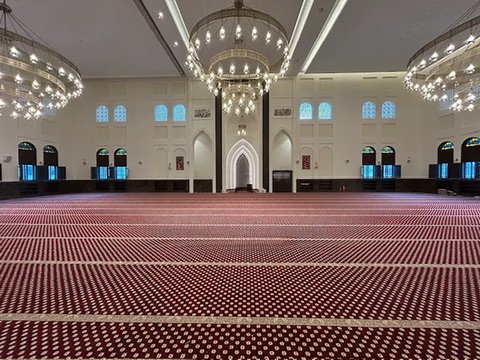
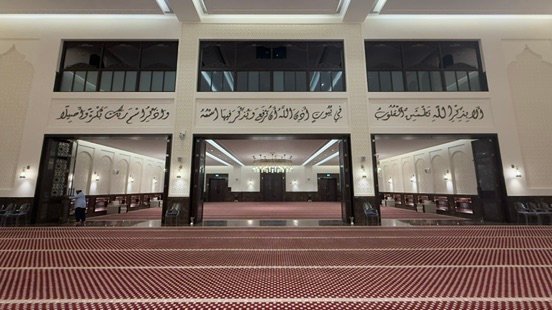
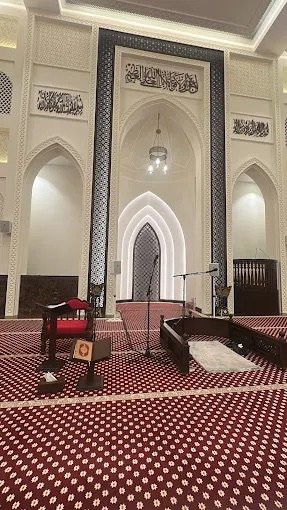
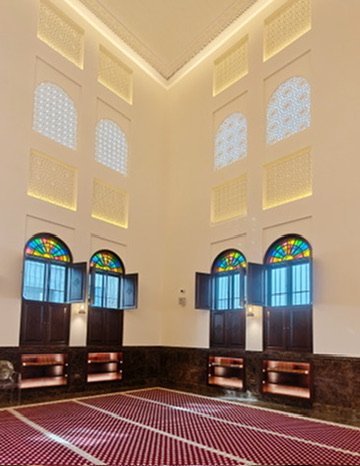
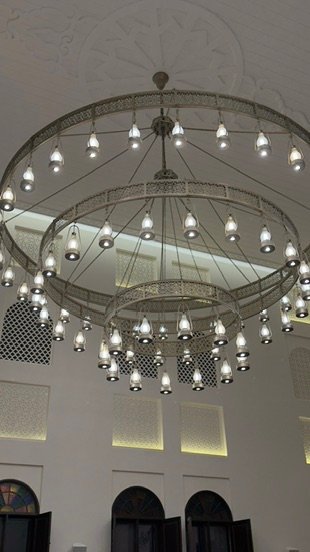
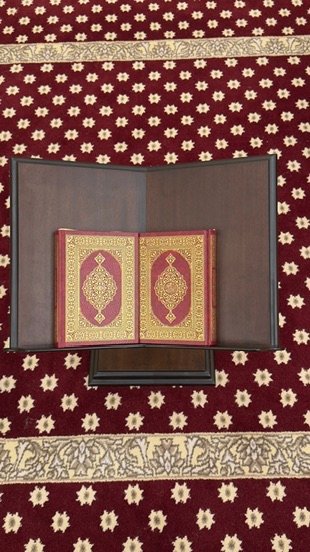
THE goal &
Objectives
The goal was not only to showcase the mosque’s visual appeal but also to simulate an immersive experience.
Objectives included modelling the architectural details accurately and designing meaningful interactions, such as entering with proper etiquette, opening doors, or adjusting day and night scenes, so the user could explore the mosque as a living space.
THE STORY
The project invites users on a virtual journey, replicating how one might experience visiting the mosque. From removing shoes before entering, to walking through wudu areas, users could interact with key aspects of the space. The ability to adjust lighting to day or night added another layer of storytelling, letting the user experience the mosque’s atmosphere at different times.
These interactions not only guide users through the physical space but also encourage them to reflect on the cultural and spiritual practices tied to the mosque, deepening both immersion and meaning.
OUR APPROACH
I began by modeling the mosque’s architecture, like walls, windows, and furnishings, in Blender to ensure accurate detail. Once the assets were complete, I imported them into Unity, where I focused on interactivity. In Unity, I incorporated features like removing shoes before entering, opening doors, exploring wudu areas, and interacting with elements like the microphone or TV. Each interaction was scripted to mirror real world actions, enhancing immersion. By combining Blender’s precision in modeling with Unity’s interactive capabilities, I crafted a visually accurate and deeply immersive experience.
The outcome
The project demonstrated how architectural visualization can be combined with user interaction. It showcased the mosque’s beauty while offering a deeper, hands on experience. This project strengthened my skills in environment design, interactivity, and spatial storytelling.